Past continuous tense
Learn the past continuous tense (was, were + -ing) for actions in progress in the past, with negatives, questions, when and while, and quizzes.
In this lesson
The past continuous tense, also called the past progressive, describes an action or state that was in progress at a time in the past. We form it with was or were plus the -ing form of the verb: She was reading a novel. The children were playing cricket. It often shows a longer action that another action interrupted.
Key point
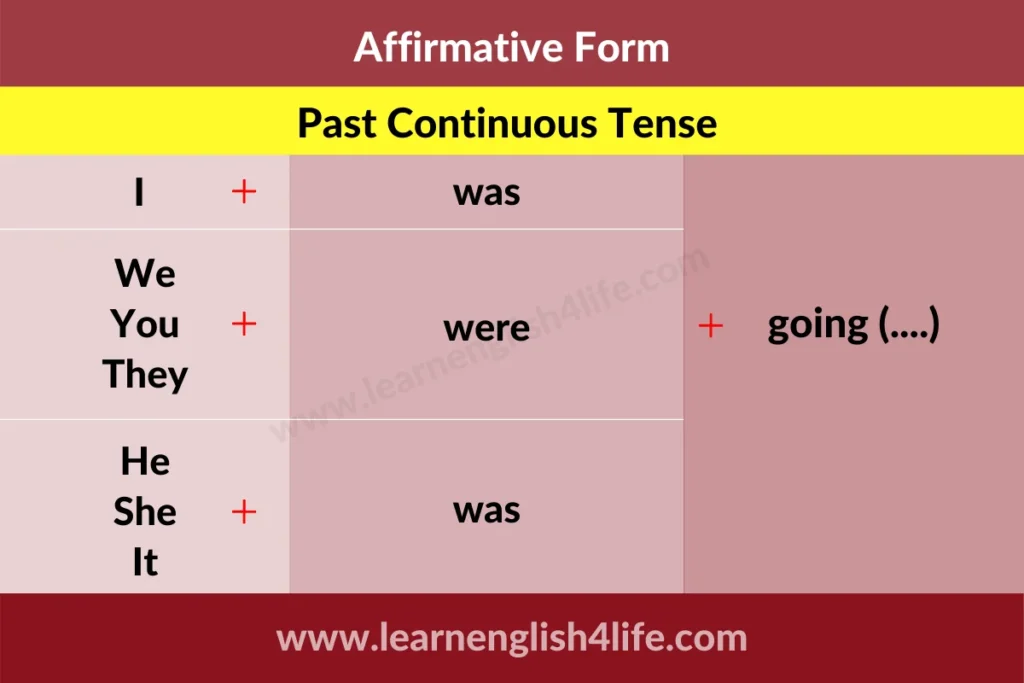
Past continuous = subject + was or were + verb-ing. Use was with I, he, she and it, and were with you, we and they.
How do you form the past continuous tense?
The basic pattern is subject + was/were + V1 + ing, where V1 is the base form of the verb (read becomes reading).
| Form | Structure | Example |
|---|---|---|
| Positive | Subject + was or were + verb-ing | He was running. |
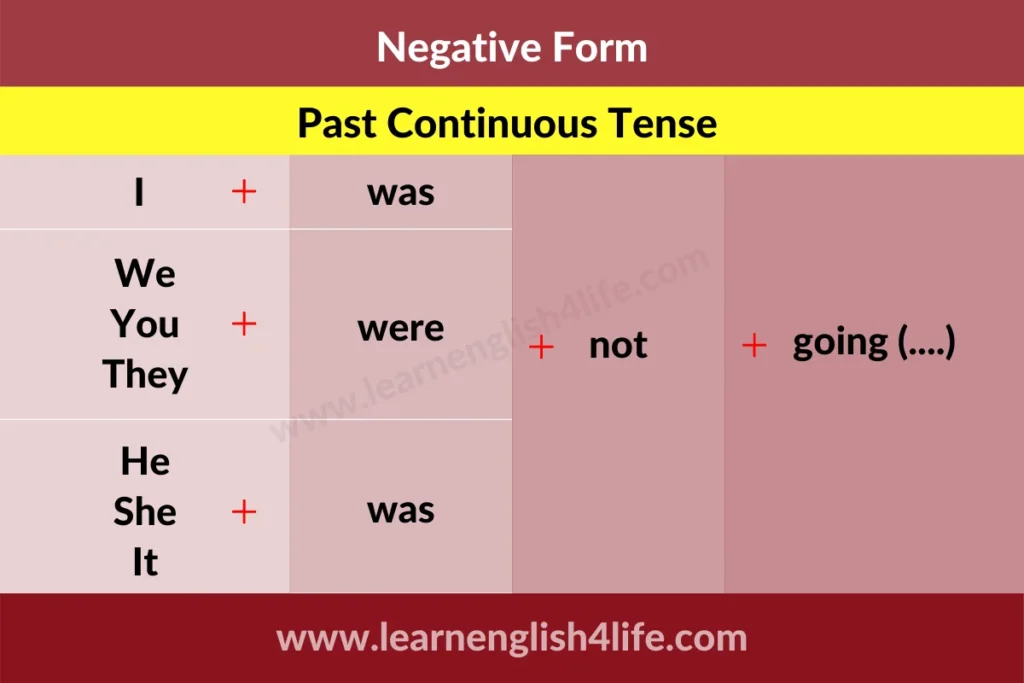
| Negative | Subject + was or were + not + verb-ing | He wasn’t running. |
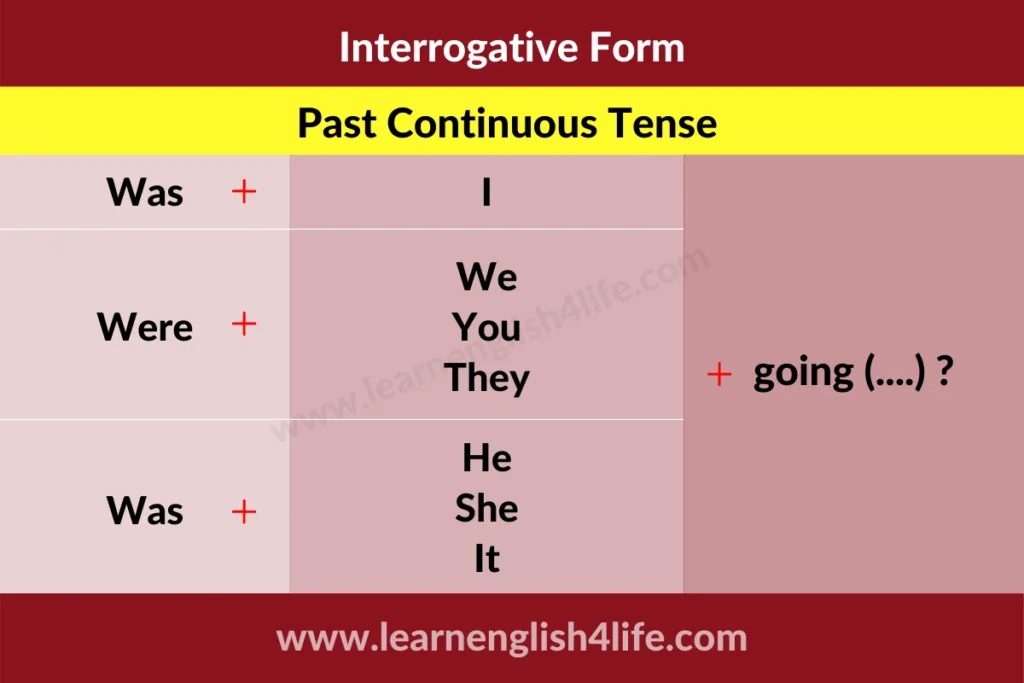
| Question | Was or Were + subject + verb-ing? | Was he running? |
| Short answer | Yes or No + subject + was, were, wasn’t or weren’t | Yes, he was. / No, he wasn’t. |
| Subject | Helping verb | Example |
|---|---|---|
| I, he, she, it, one person or thing | was | My mother was cleaning. |
| You, we, they, two or more people or things | were | The children were playing cricket. |
Was and were are the past forms of the verb ‘be’. The pattern is the same as the present continuous tense, but with was and were instead of am, is and are.
When do you use the past continuous tense?
1. An action in progress at a past time
Examples
- She was reading a novel.
- At eight o’clock last night, I was studying.
2. A longer action interrupted by a shorter one
Use the past continuous for the longer action and the simple past tense for the short action that interrupted it.
Examples
- I was reading when my friend called.
- It was raining when we left the house.
3. Two actions in progress at the same time
Examples
- I was cooking while my brother was cleaning.
- The children were playing while their parents were talking.
Time expressions
These words often go with the past continuous: at that time, at eight o’clock yesterday, at this time last week, all day yesterday, when and while.
Tip
While usually goes with the longer action in the past continuous: while I was reading. When usually goes with the short action in the simple past: when my friend called.
How do you make positive sentences?
Examples
- I was eating.
- I was studying.
- You were playing.
- We were fighting.
- They were reading.
- He was running.
- She was cooking.
- She was crying.
- Alex was working.
- My mother was cleaning.
Common mistake
They was playing football. → They were playing football.
How do you make the negative?
Add not after was or were. The short forms are wasn’t and weren’t.
Examples
- I was not playing. / I wasn’t playing.
- You were not studying. / You weren’t studying.
- The parrots were not eating mangoes. / The parrots weren’t eating mangoes.
- He was not making a kite. / He wasn’t making a kite.
- It was not raining yesterday. / It wasn’t raining yesterday.
Common mistake
I wasn’t study. → I wasn’t studying.
How do you ask questions in the past continuous?
We put was or were before the subject to make questions in the past continuous tense.
Examples
- Was I playing?
- Were you working?
- Were they reading?
- Were we talking?
- Was she crying?
Short answers use was or were: Were you working? Yes, I was. / No, I wasn’t. With a question word, put it first: What were you doing at eight o’clock?
Note
State verbs such as know, like and want are not usually used in the continuous form. Say I knew the answer, not I was knowing the answer.
What should you learn next?
To show which of two past actions happened first, study the past perfect tense (The film had started when we arrived). For more explanations and practice, read the British Council grammar reference on the past continuous and try the British Council exercises on the past continuous and past simple.
Summary
- Form: was or were + verb-ing (She was cooking).
- Use was with I, he, she, it and were with you, we, they.
- Use it for actions in progress at a past time, often interrupted by the simple past.
- Negative: wasn’t or weren’t + verb-ing.
- Question: Was or Were + subject + verb-ing (Were you working?).
Frequently asked questions
What is another name for the past continuous tense?
It is also called the past progressive tense. Both names describe an action that was in progress in the past.
When do I use was and when do I use were?
Use was with I, he, she, it and singular nouns. Use were with you, we, they and plural nouns.
What is the difference between “I read” and “I was reading”?
I read (simple past) shows a finished action. I was reading shows that the action was in progress at a certain time, maybe when something else happened.
Can I use when and while with the past continuous?
Yes. While usually goes with the longer action: while I was cooking. When often introduces the short action in the simple past: when the phone rang.
Practise this lesson
5 questions
6 questions
5 questions